Moving abroad is often described as a dream: a new country, a fresh start, endless opportunity. In the beginning, it can feel exciting, even euphoric. You notice everything — the sounds, the smells, the way people move and speak.
But after the excitement fades, many expats find themselves facing something unexpected: a deep sense of discomfort or disconnection. Suddenly, daily life feels heavier. Simple tasks become complicated. You might wonder, “Why am I struggling when this was supposed to be an adventure?”
If this sounds familiar, you’re not alone and you’re not doing anything wrong. What you’re experiencing is part of the normal emotional process of expat adjustment.
The Hidden Dip After the Move
Every relocation brings both visible and invisible changes. You’ve built a new life on the outside — new address, new job, new culture — but emotionally, your inner world is still catching up.
Many expats describe feeling “in limbo”: no longer rooted in their home culture, but not yet settled in the new one. This phase can trigger loneliness, confusion, or even guilt — especially if you think you should be happier.
Understanding that these feelings follow a predictable pattern can help you feel more in control and compassionate with yourself.
The Four Emotional Stages of Expat Adjustment
1. Honeymoon Phase: Everything feels new, inspiring, and full of possibility. Enjoy it, but stay mindful that deeper emotions may emerge later.
2. Culture Shock: Gradually, the differences that once felt exciting can start to feel exhausting. The language barrier, bureaucracy, social distance, or grey weather may feel heavier than expected. Feelings of homesickness, frustration, and guilt may arise. This is often when people reach out for therapy, not because they’re failing, but because the reality of adjustment is surfacing.
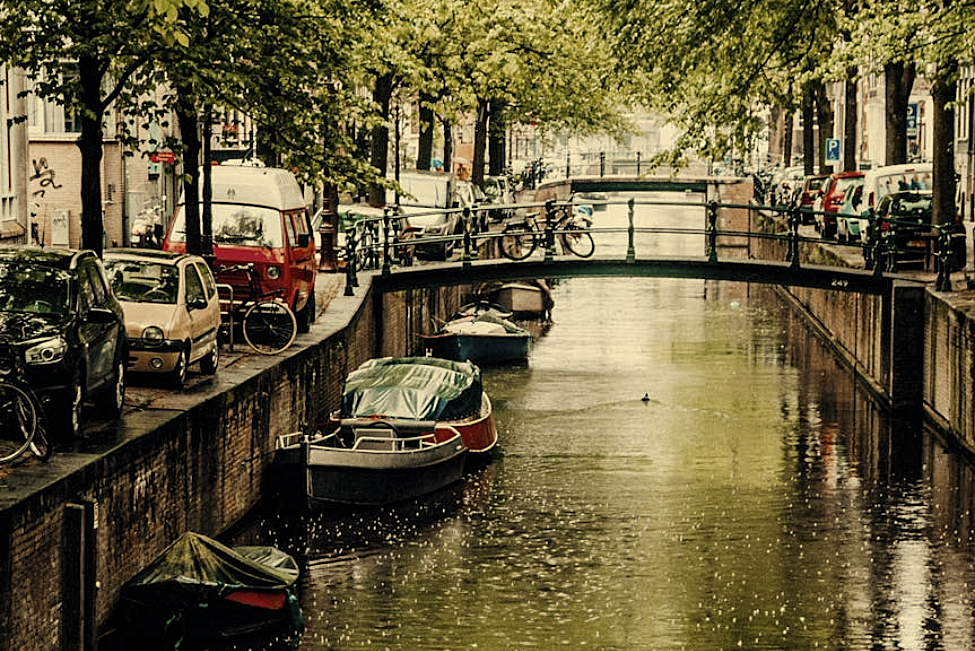
3. Adjustment: With time and reflection, daily routines start forming. You learn to navigate the grocery store, understand Dutch humor, and maybe even enjoy cycling in the rain. Life feels more predictable, though you still miss home sometimes. You begin to rebuild confidence and comfort. Establishing new rhythms and redefining belonging come into focus.
4. Integration: This is where balance begins to settle in. You’ve created a rhythm between cultures, finding what to keep, what to let go of, and what to blend. You may still have challenging days, but you feel more yourself again. You have reached a place of groundedness, connection, and acceptance. Belonging doesn’t mean losing who you are; it means expanding who you can be and it grows from within.
Why the Emotions Feel So Intense
Living abroad is one of the most significant psychological transitions a person can experience. You’ve left behind your familiar identity, the one supported by language, friends, and cultural norms.
Your nervous system interprets this uncertainty as threat, even if nothing “bad” is happening. That’s why small frustrations can feel overwhelming: they’re signals of emotional overload, not weakness.
Recognizing this helps you shift from self-criticism (“Why can’t I handle this?”) to self-understanding (“Of course this feels hard, I’m adapting to a whole new world.”).
How Online Therapy Supports Every Stage
Whether you’re still in the honeymoon phase or navigating culture shock, therapy offers a safe space to explore these experiences.
– Honeymoon phase: staying realistic and grounded.
– Culture shock: building coping skills and emotional regulation.
– Adjustment: exploring identity and growth.
– Integration: reflecting on your journey and celebrating change.
Online therapy is particularly helpful for expats because it’s flexible, confidential, and available in English — wherever you are in the Netherlands.
Read next: Feeling Lost Abroad? How Online Therapy Helps Expats Find Balance
Simple Ways to Support Yourself
Build small rituals: your morning walk, favorite coffee, or journaling — predictability builds calm.
Stay connected: even one meaningful friendship can anchor you.
Be gentle with yourself: homesickness doesn’t mean you’ve made a mistake.
Seek support early: therapy isn’t just for crisis; it’s a space for understanding and clarity.
Remember: Growth Happens in the In-Between
You don’t have to rush to feel “at home.” Every moment of discomfort is part of building something new, a version of yourself that can hold both your roots and your new life.
If you’re feeling stuck, overwhelmed, or simply curious about how therapy could help you navigate this transition, Illuminate Psych offers online sessions for English-speaking expats across the Netherlands.
Book a free 20-minute consultation: a first step toward feeling grounded again.
Leave a Reply